The Solaris Grape
The Solaris grape is a white variety that has been developed in 1975 by the ‘Weinbau-Institut Freiburg’ better known under the name ‘FR 240-75’. Two other varieties have defined this cross: Merzling and Giesenheim 6493. This makes the Solaris grape a relative of the Riesling and Pinot Gris.
Solaris is an early ripening variety with good resistance against fungal diseases and frost. It gives wines which have fruity and perfumed aromas with hints of banana and hazelnuts, with medium acidity. It is suitable for dessert wines, as it ripens to high must weights.
In Europe’s very coldest wine regions – those in Denmark, Norway and Sweden – Solaris has proved invaluable as a wine grape. The variety is also found in various parts of northern Switzerland, Belgium and England.
In Germany Solaris is used almost exclusively as a blending agent, and is most often paired with Riesling or Pinot Blanc.
In 2011 it was added to the list of varieties sanctioned for use in Italy, but uptake has been slow there. As an early-ripening, mildew-resistant variety it is likely to be of most interest in Italy’s coolest, northern regions such as Trentino Alto-Adige.
The Chardonnay Grape
Chardonnay is a green-skinned grape variety used in the production of white wine. The variety originated in the Burgundy wine region of eastern France, but is now grown wherever wine is produced, from England to New Zealand. For new and developing wine regions, growing Chardonnay is seen as a ‘rite of passage’ and an easy entry into the international wine market.
The Chardonnay grape itself is neutral, with many of the flavors commonly associated with the wine being derived from such influences as terroir and oak. It is vinified in many different styles, from the lean, crisply mineral wines of Chablis, France, to New World wines with oak and tropical fruit flavors. In cool climates (such as Chablis and the Carneros AVA of California), Chardonnay wine tends to be medium to light body with noticeable acidity and flavors of green plum, apple, and pear. In warmer locations (such as the Adelaide Hills and Mornington Peninsula in Australia and Gisborne and Marlborough region of New Zealand), the flavors become more citrus, peach, and melon, while in very warm locations (such as the Central Coast AVA of California), more fig and tropical fruit notes such as banana and mango come out. Wines that have gone through malolactic fermentation tend to have softer acidity and fruit flavors with buttery mouthfeel and hazelnut notes.
Chardonnay’s popularity peaked in the late 1980s, with 210,000 hectares (520,000 acres) worldwide.
The Pinot Noir Grape
Pinot noir is a red wine grape variety of the species Vitis vinifera. The name may also refer to wines created predominantly from Pinot noir grapes. The name is derived from the French words for pine and black. The word pine alludes to the grape variety having tightly clustered, pinecone-shaped bunches of fruit.
Pinot noir grapes are grown around the world, mostly in the cooler climates, and the grape is chiefly associated with the Burgundy region of France. Pinot noir is now used to make red wines around the world, as well as Champagne, sparkling white wines such as the Italian Franciacorta, and English sparkling wines. Pinot noir is the most-planted varietal (38%) used in sparkling wine production in Champagne and other wine regions.
Pinot noir is a difficult variety to cultivate and transform into wine. The grape’s tendency to produce tightly packed clusters makes it susceptible to several viticultural hazards involving rot that require diligent canopy management. The thin skins and low levels of phenolic compounds lends pinot to producing mostly lightly coloured, medium-bodied and low-tannin wines that can often go through phases of uneven and unpredictable aging. When young, wines made from Pinot noir tend to have red fruit aromas of cherries, raspberries, and strawberries. As the wine ages pinot has the potential to develop more vegetal and “barnyard” aromas that can contribute to the complexity of the wine.
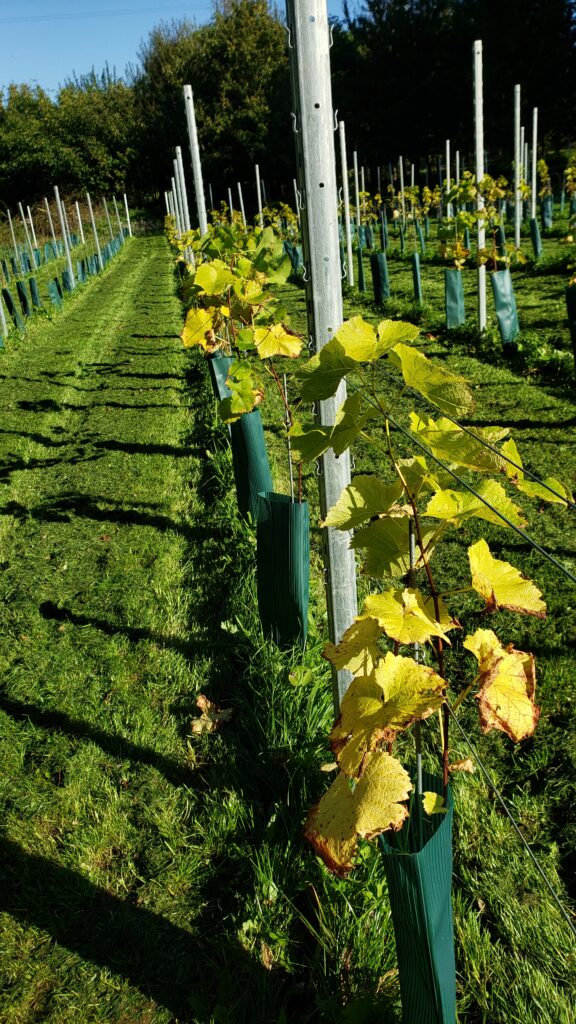
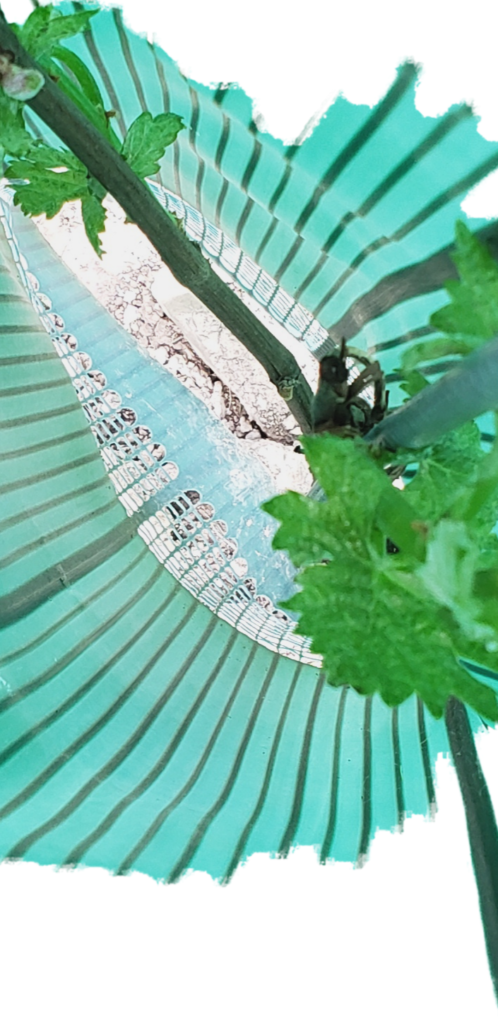
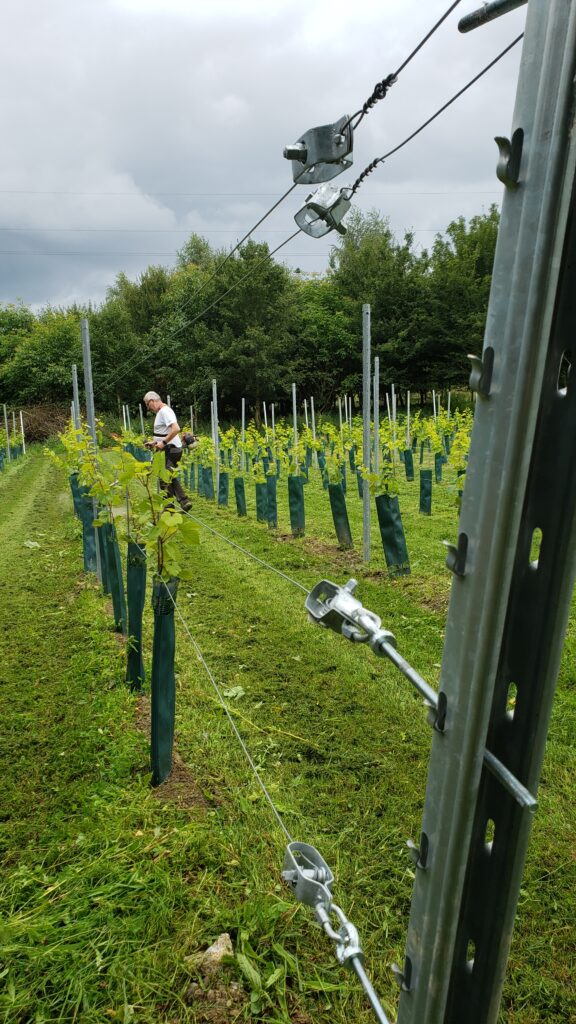
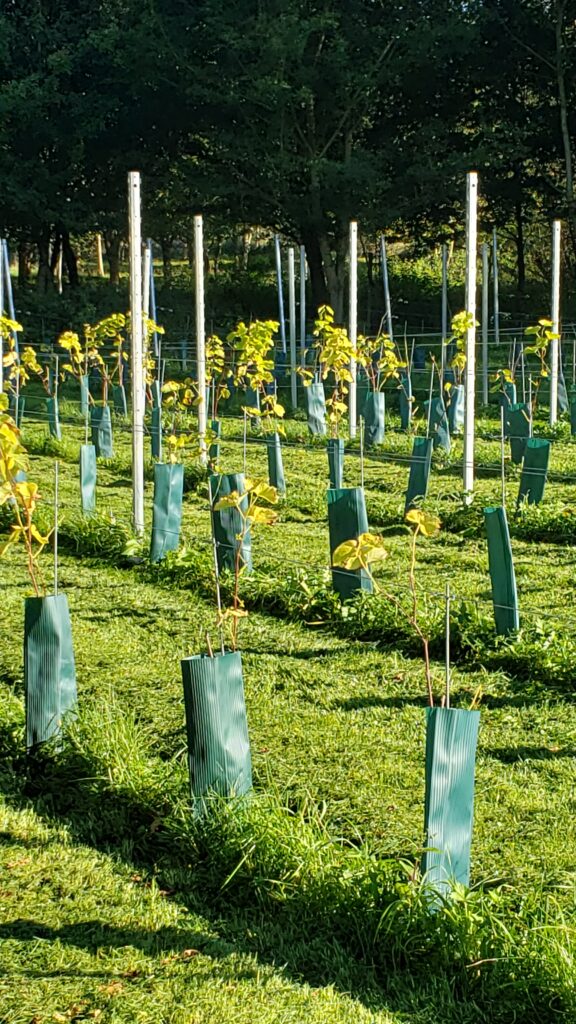
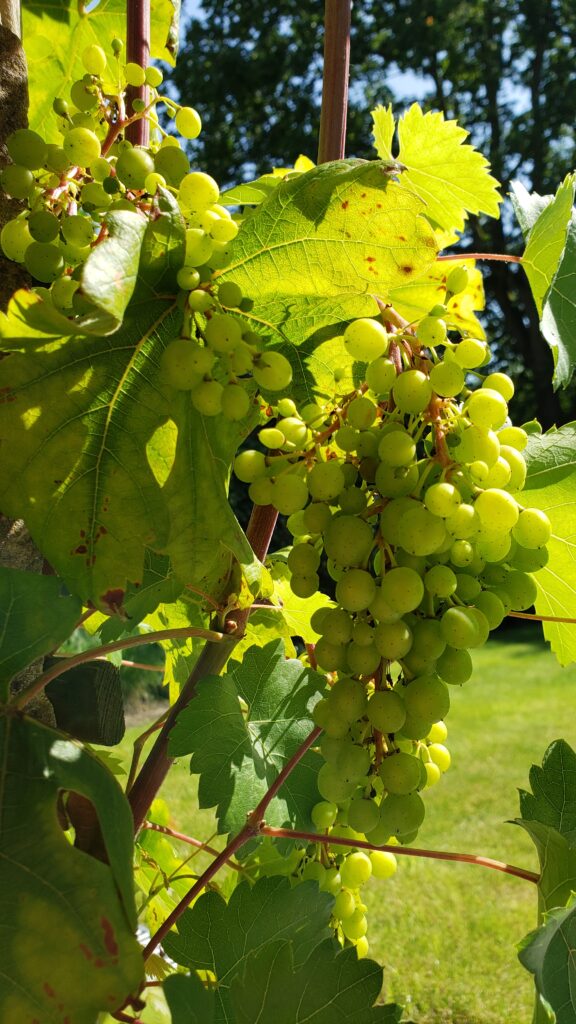
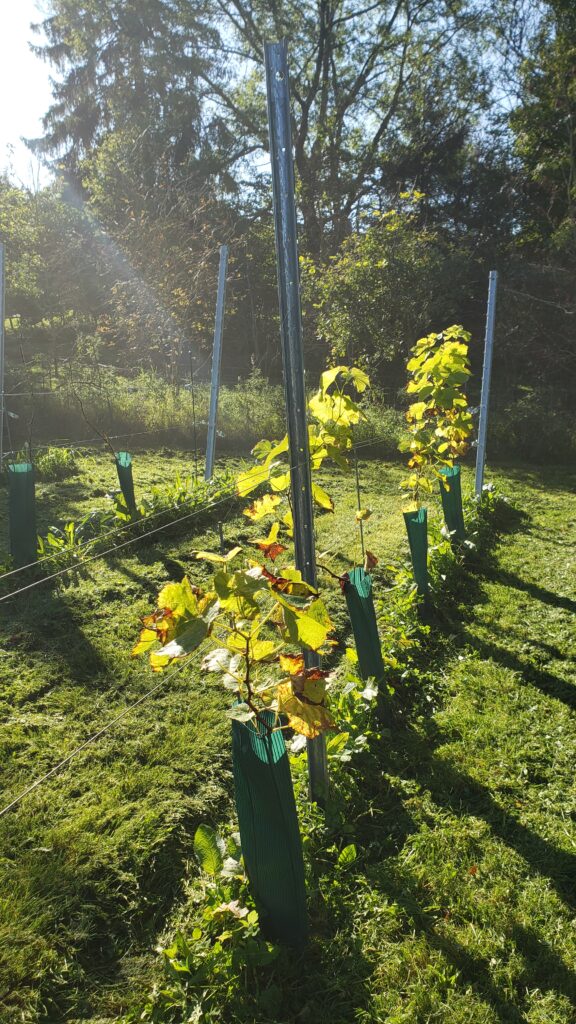
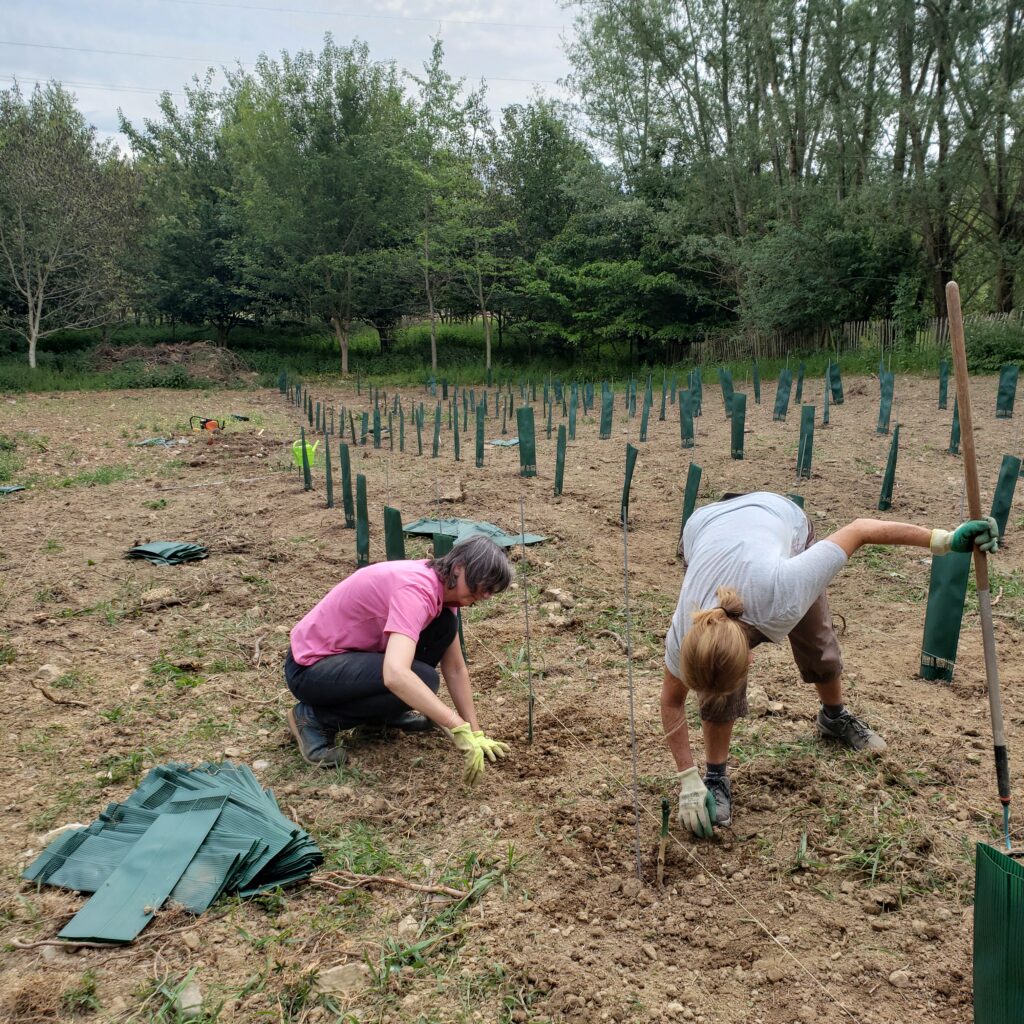
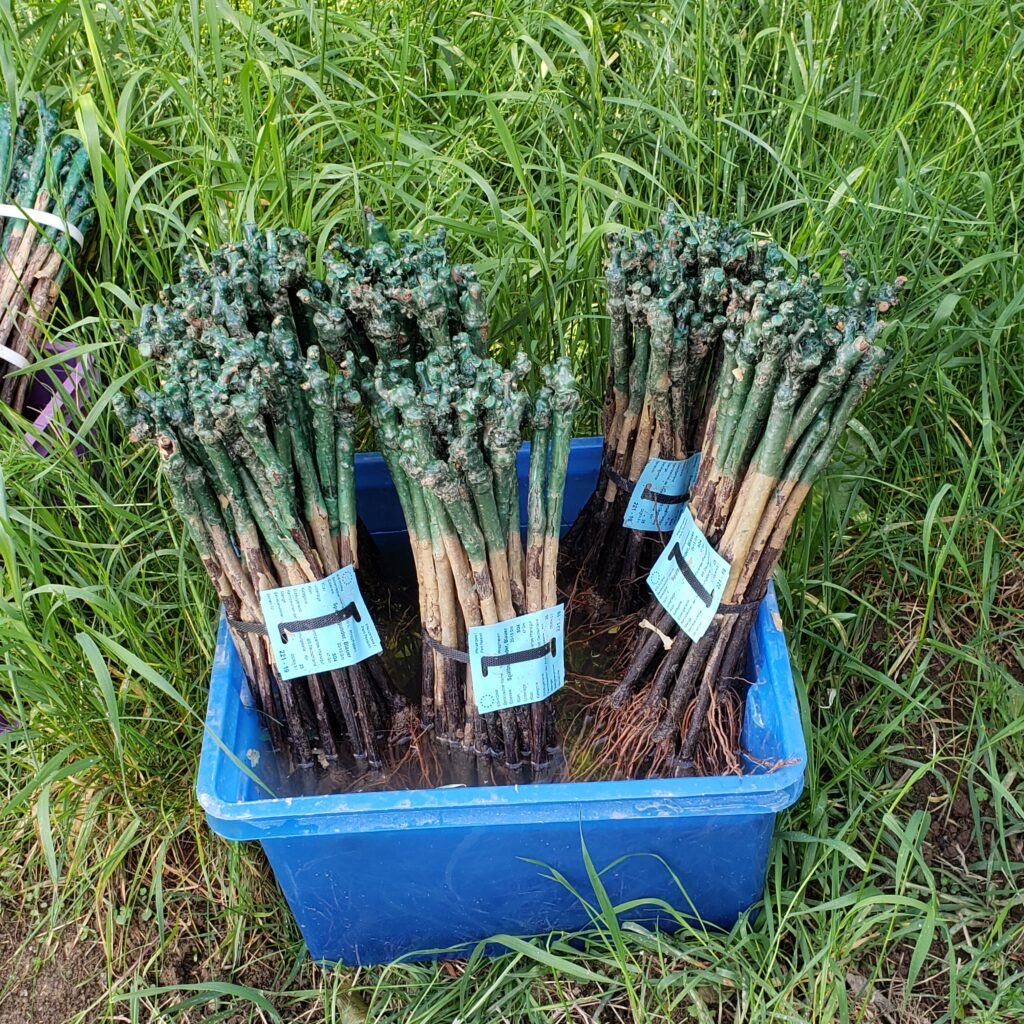
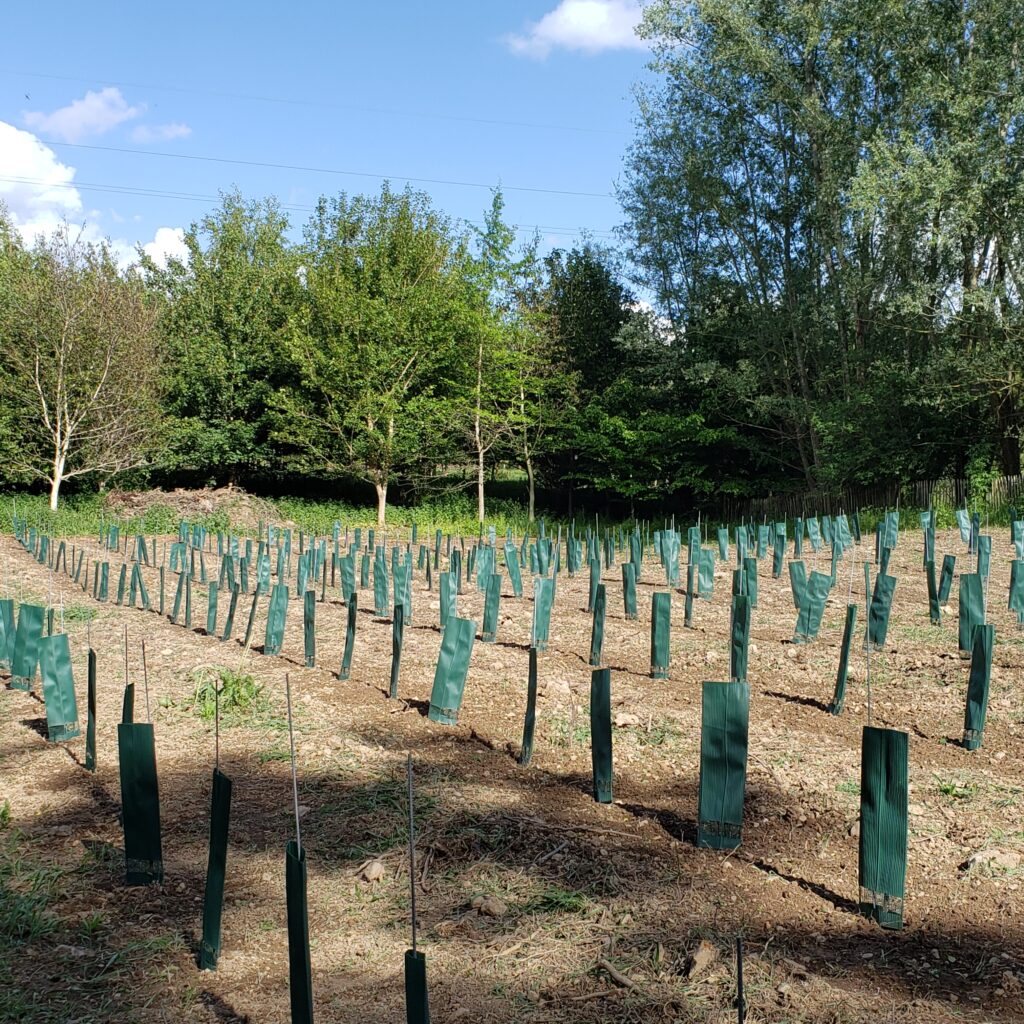
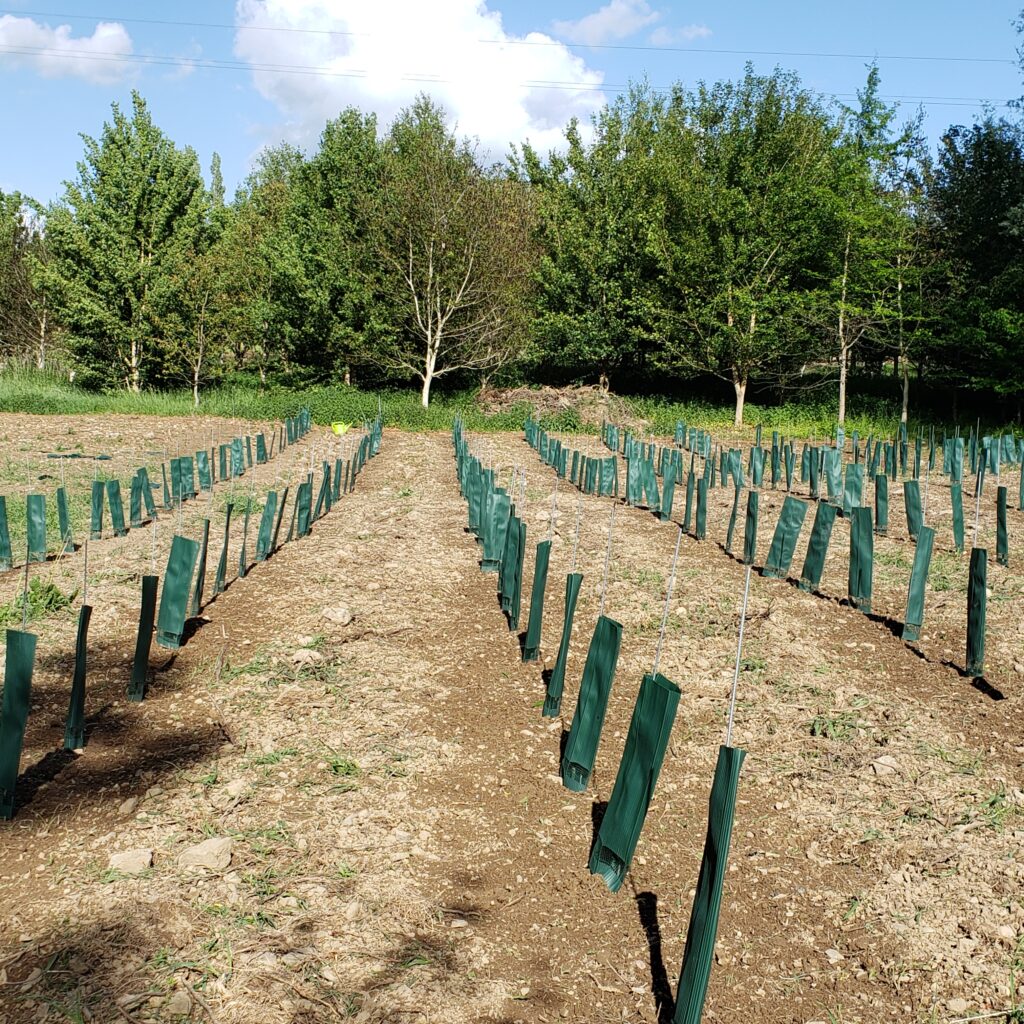
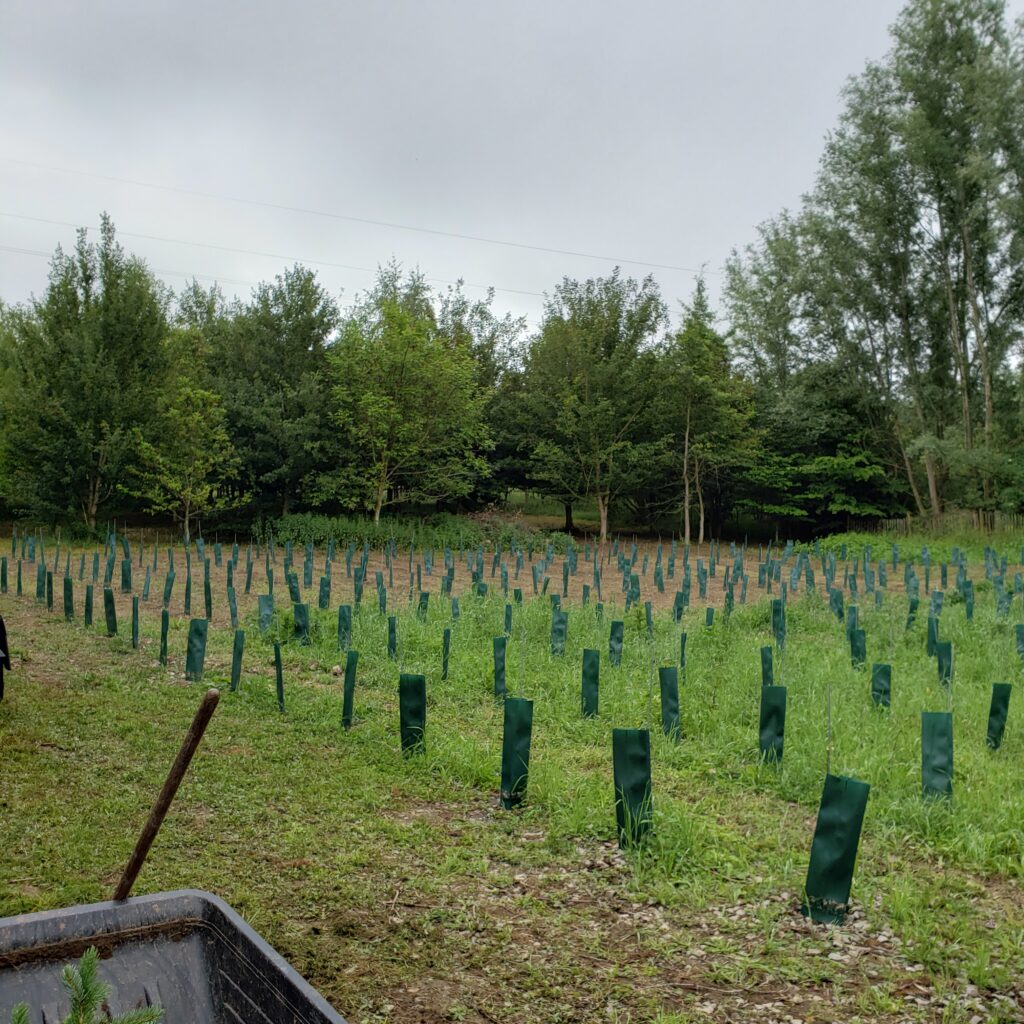
2020 – Planting the vines!
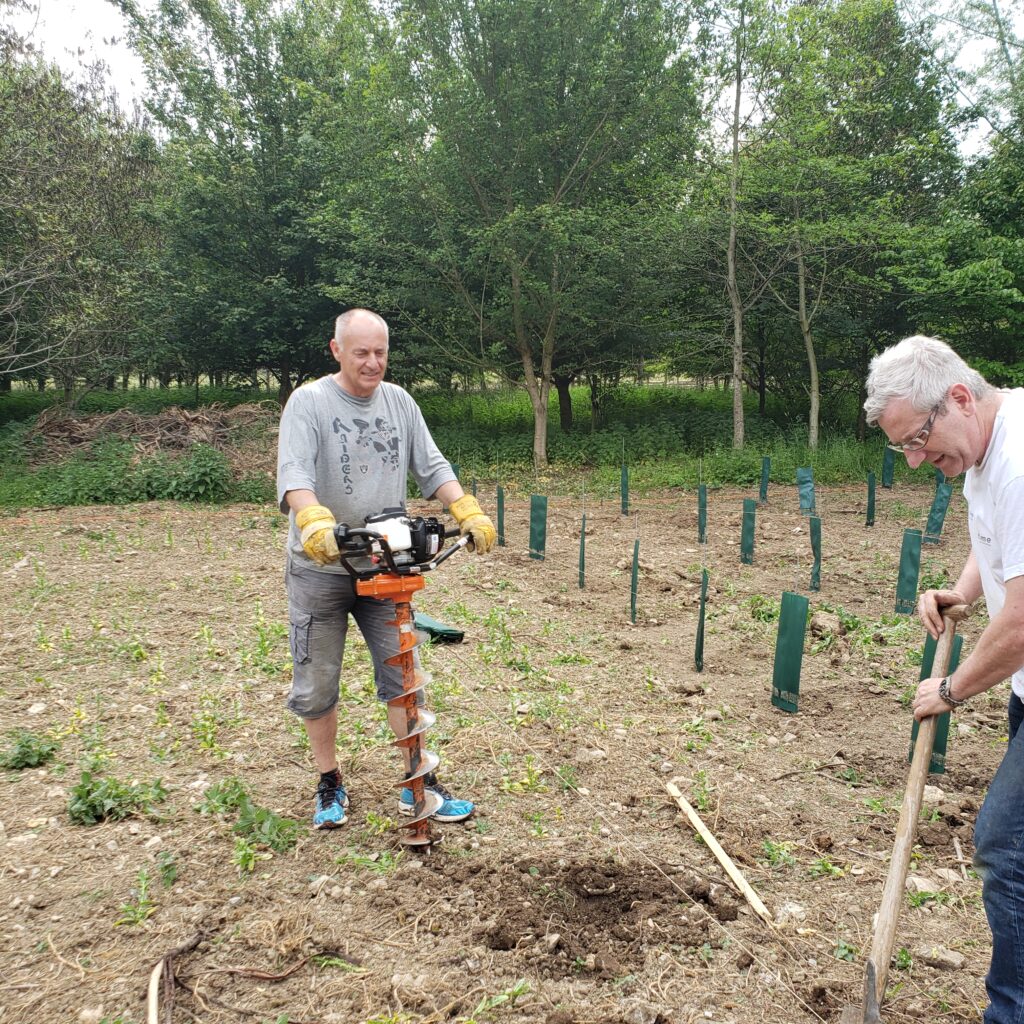
2019 – Clearing the site and preparing the ‘terroir’
A lot of preparation work to be done!

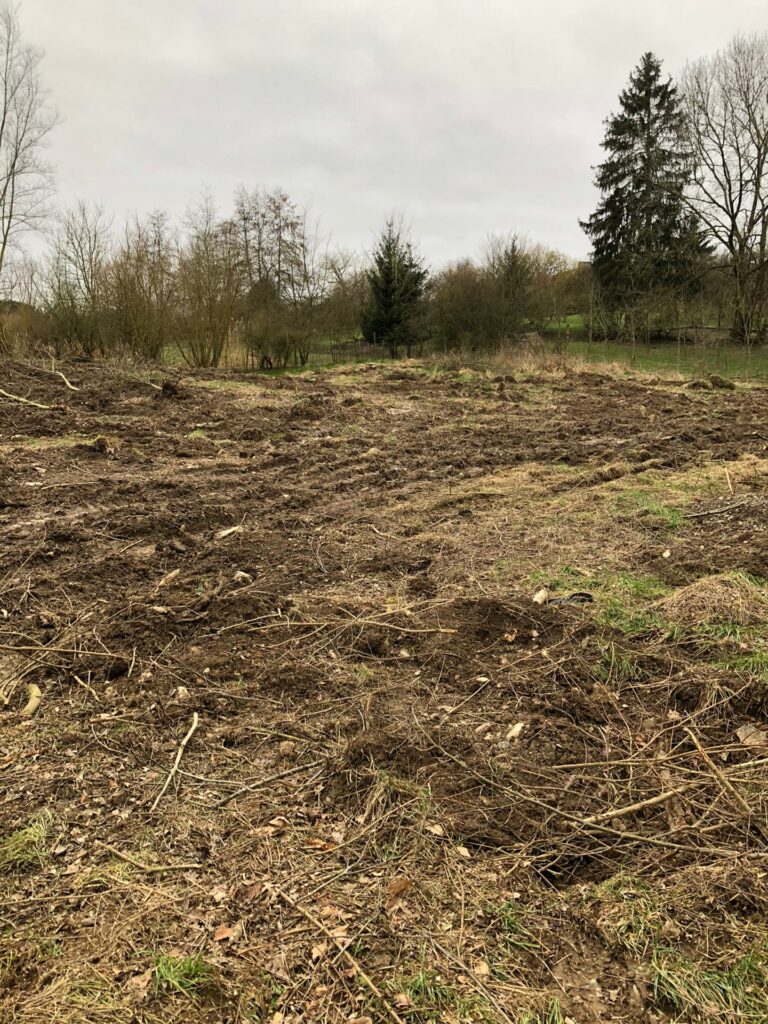

2018 – The site has been bought
At then of 2018 an agreement was reached with the previous owner to acquire the site of +/- 5.000 m².